Travelling
Rosa Joly
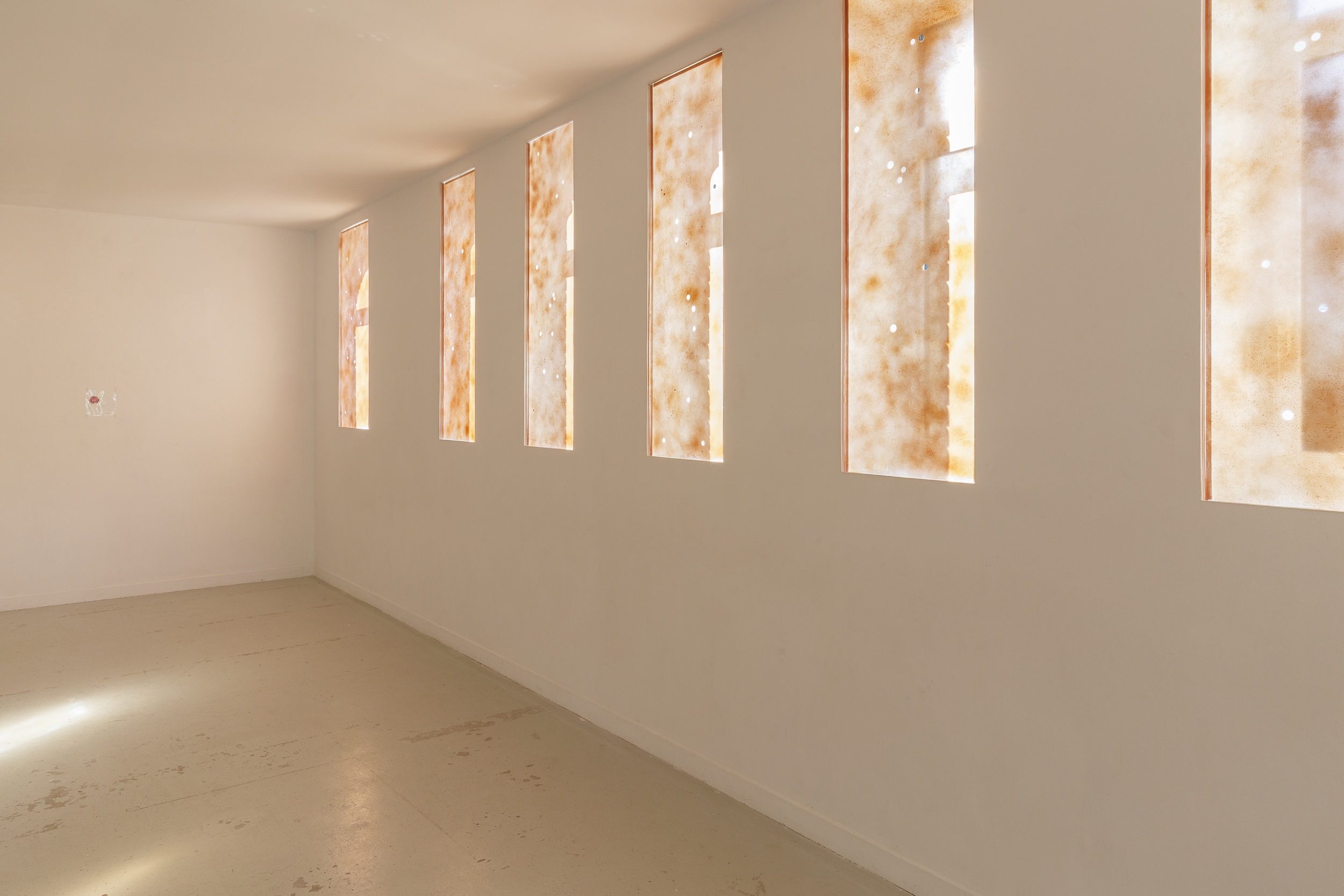
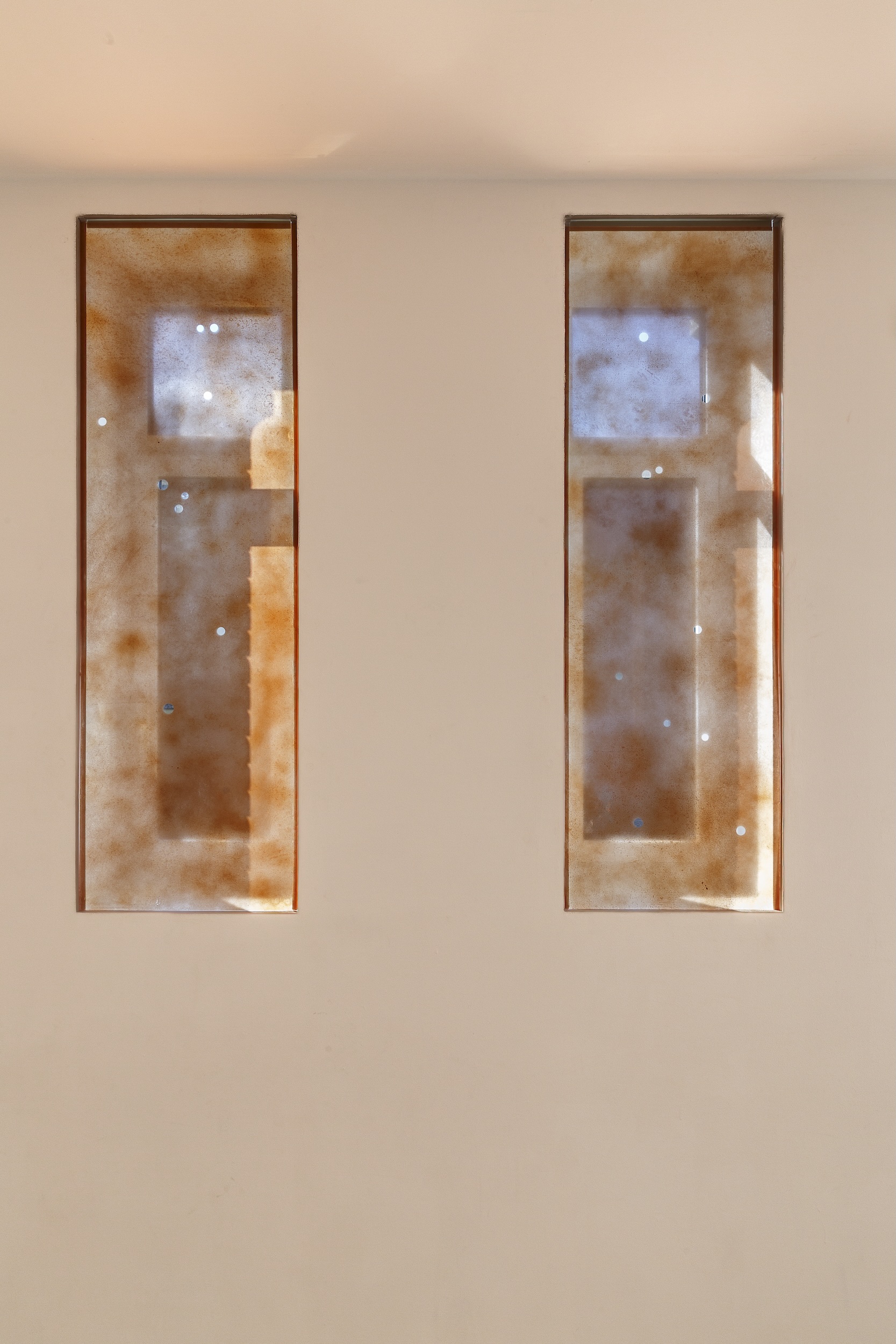
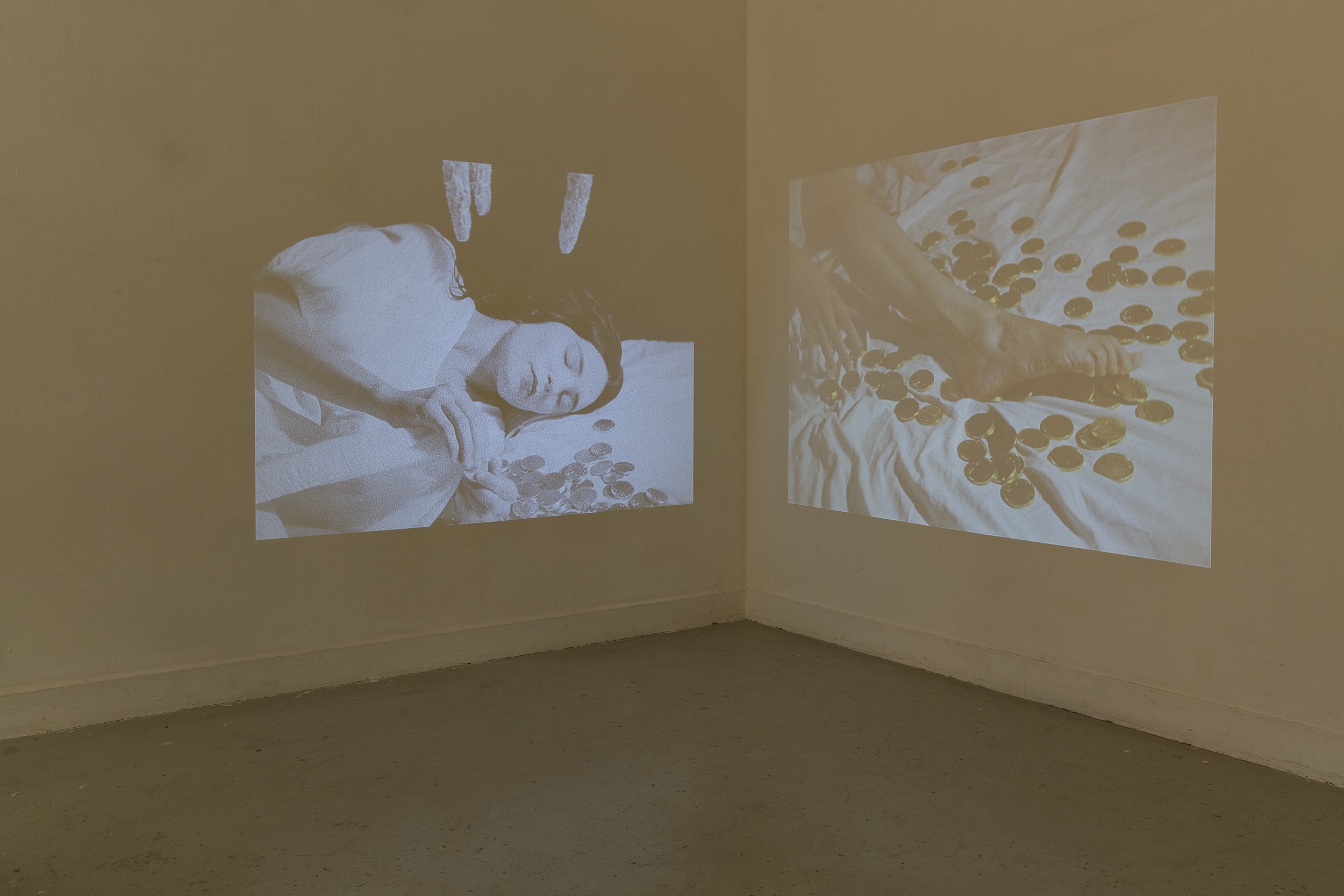
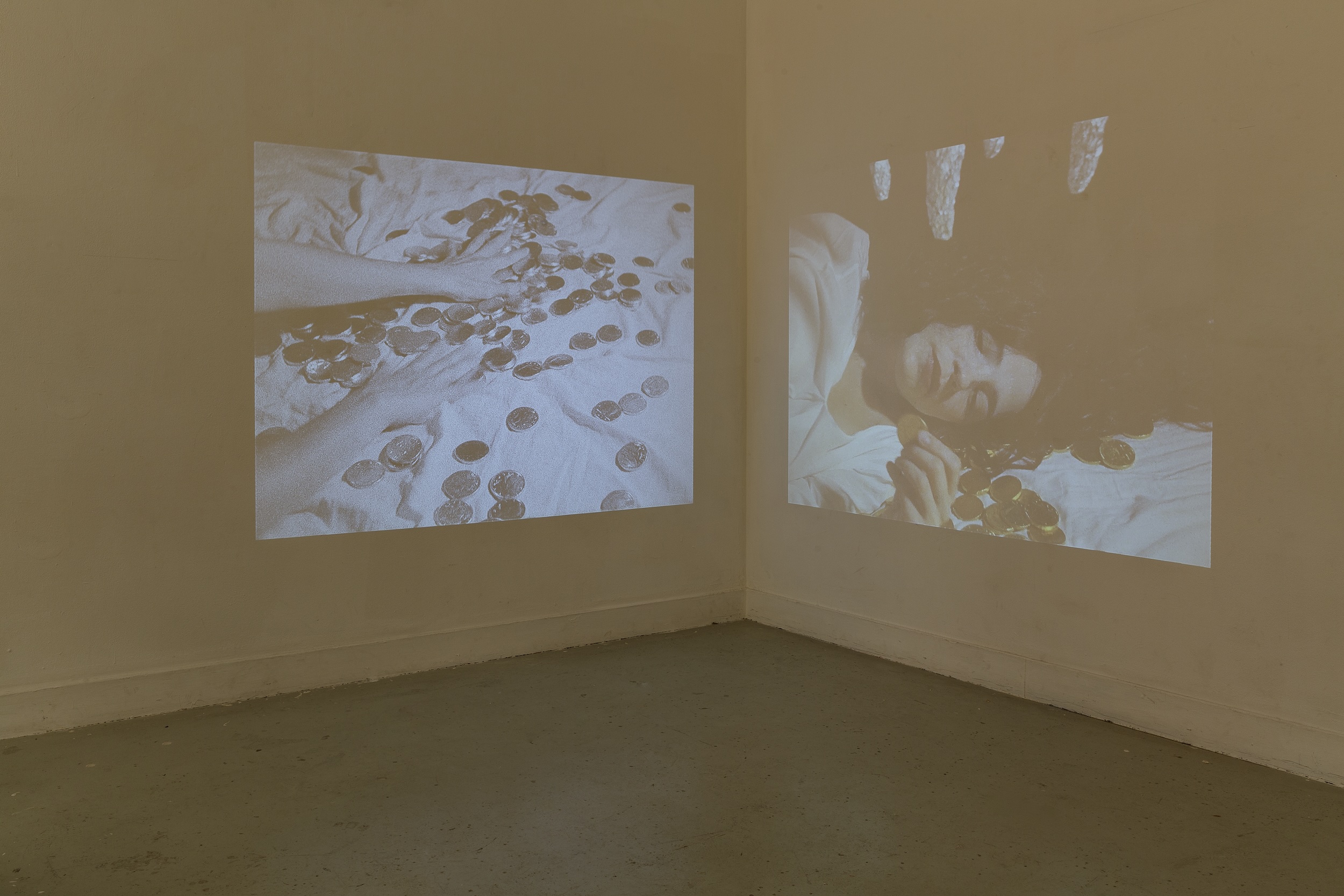
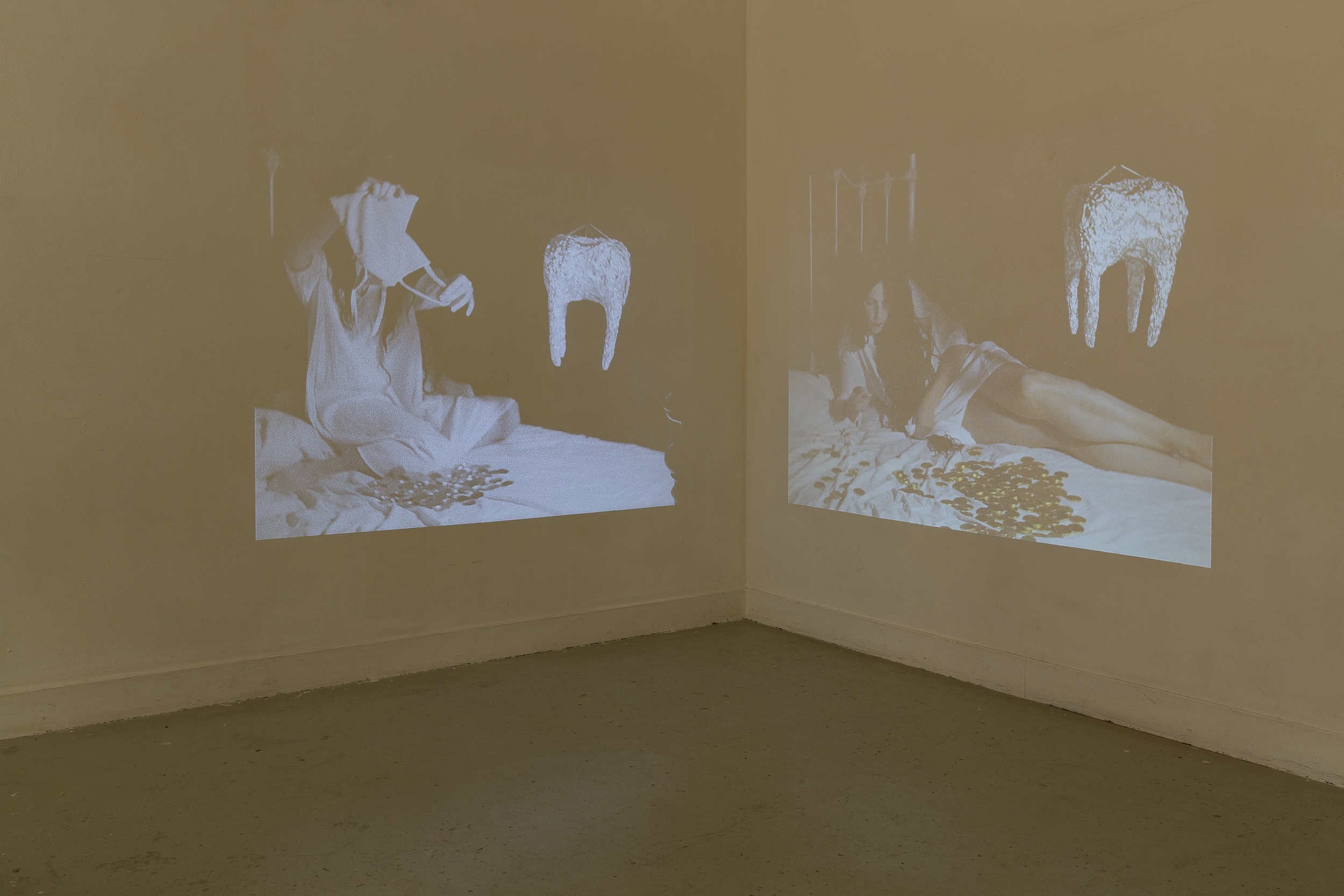
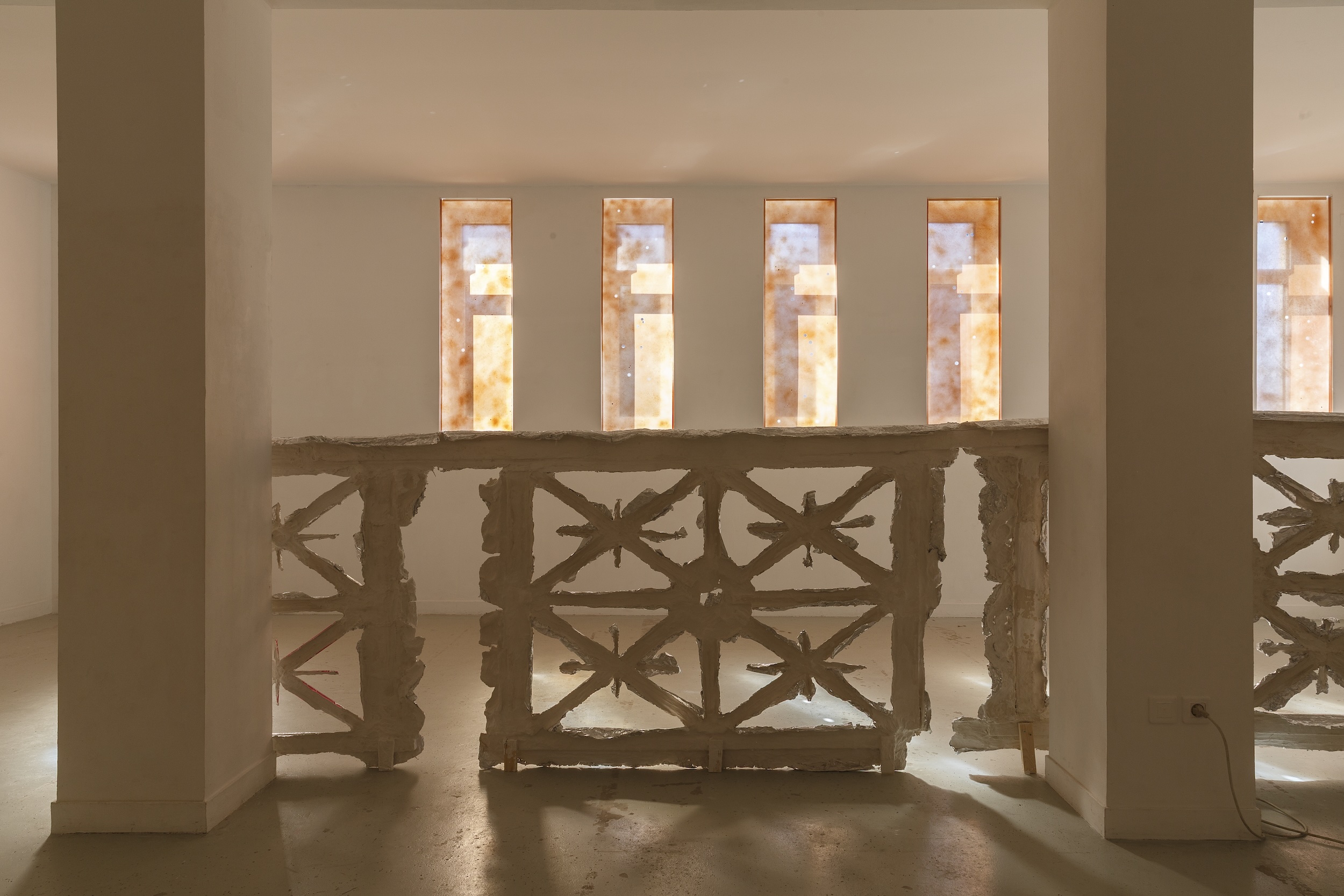
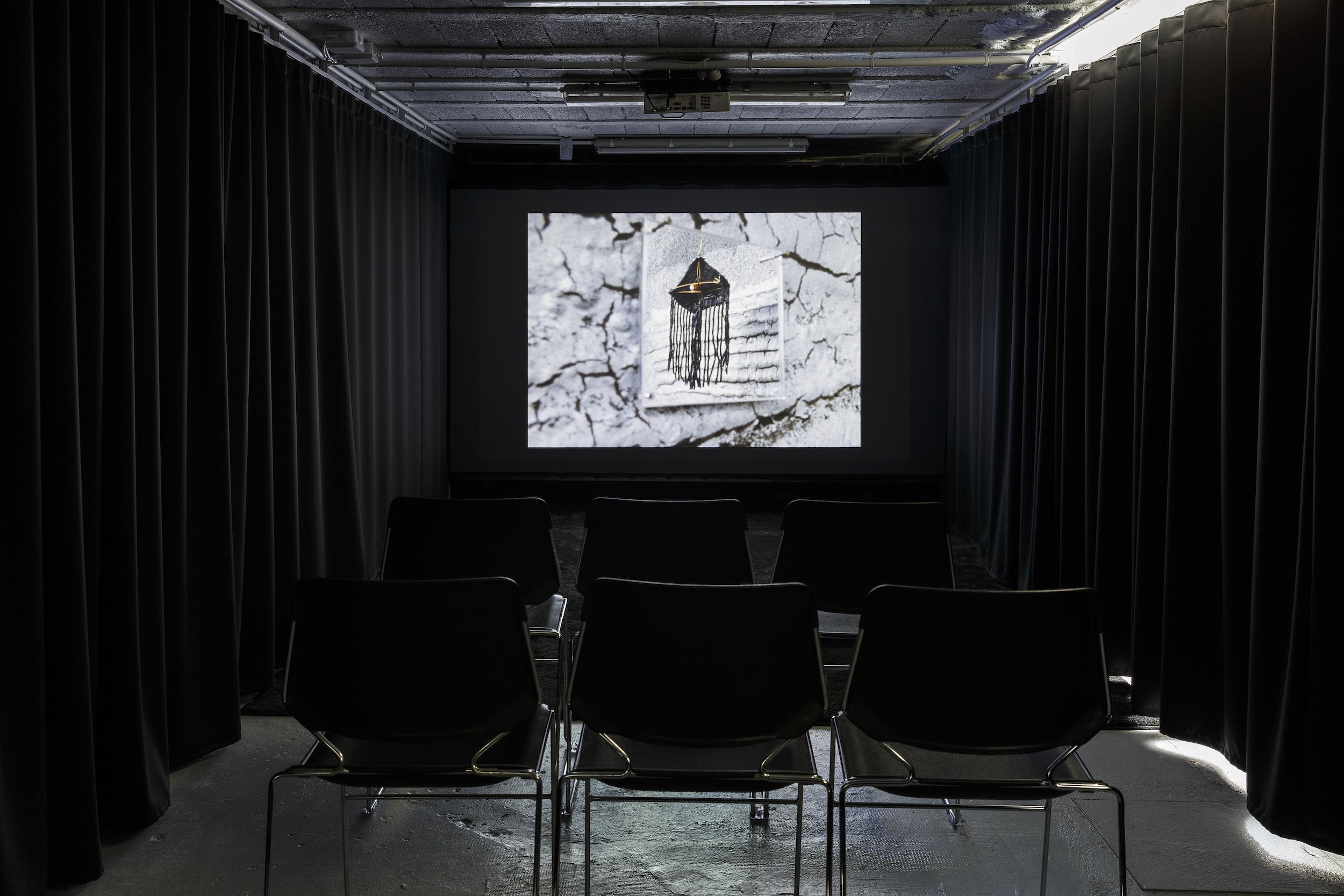
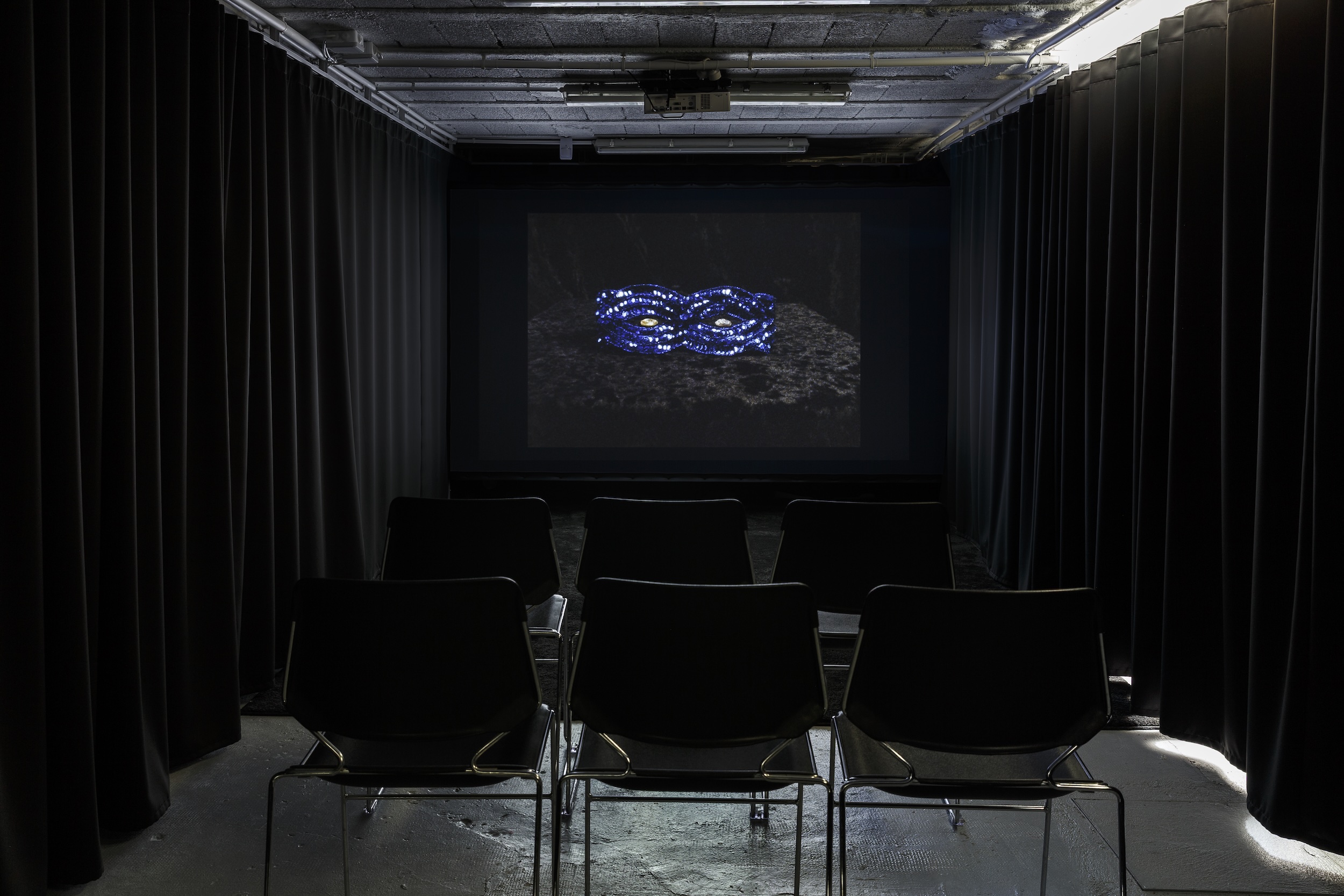
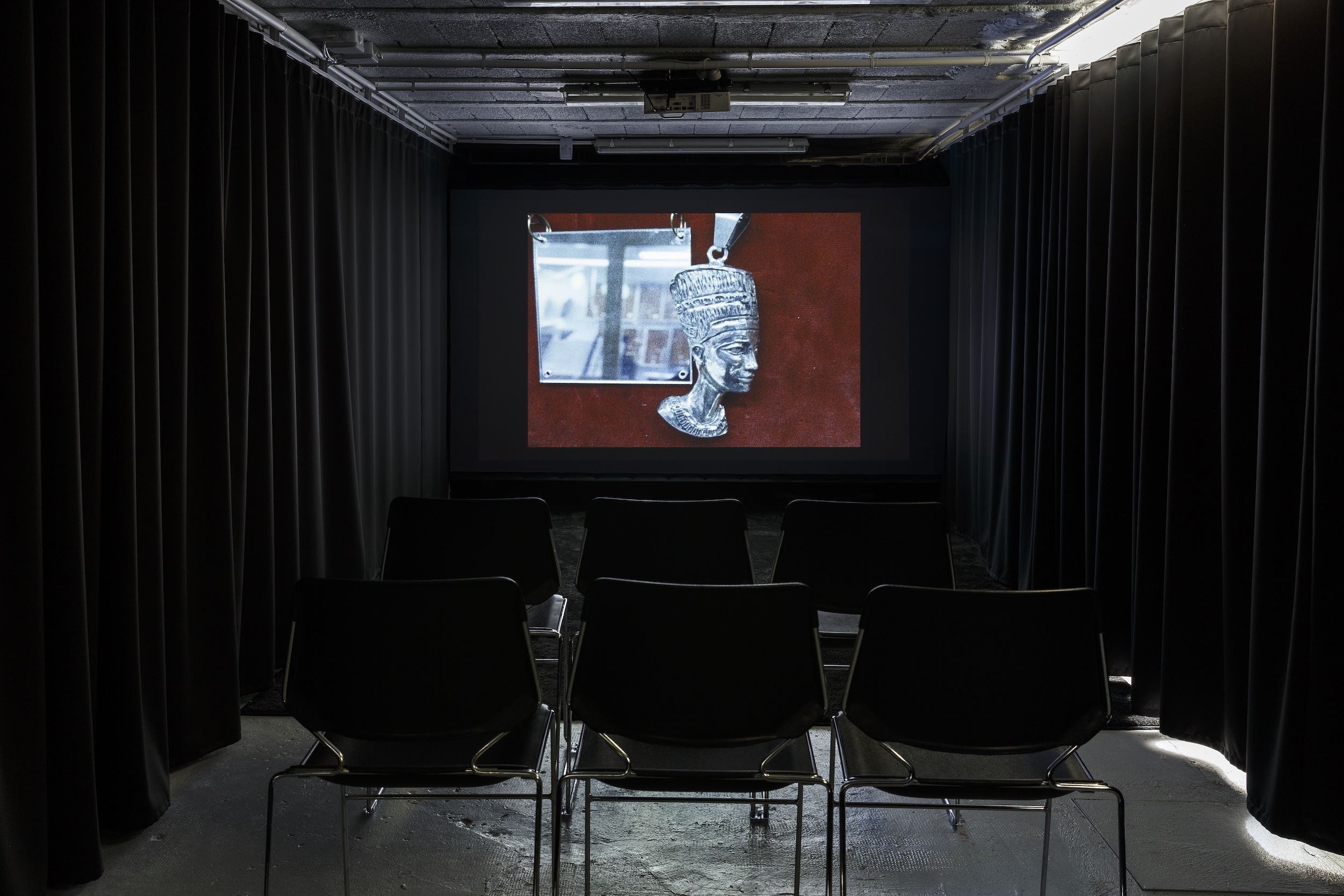
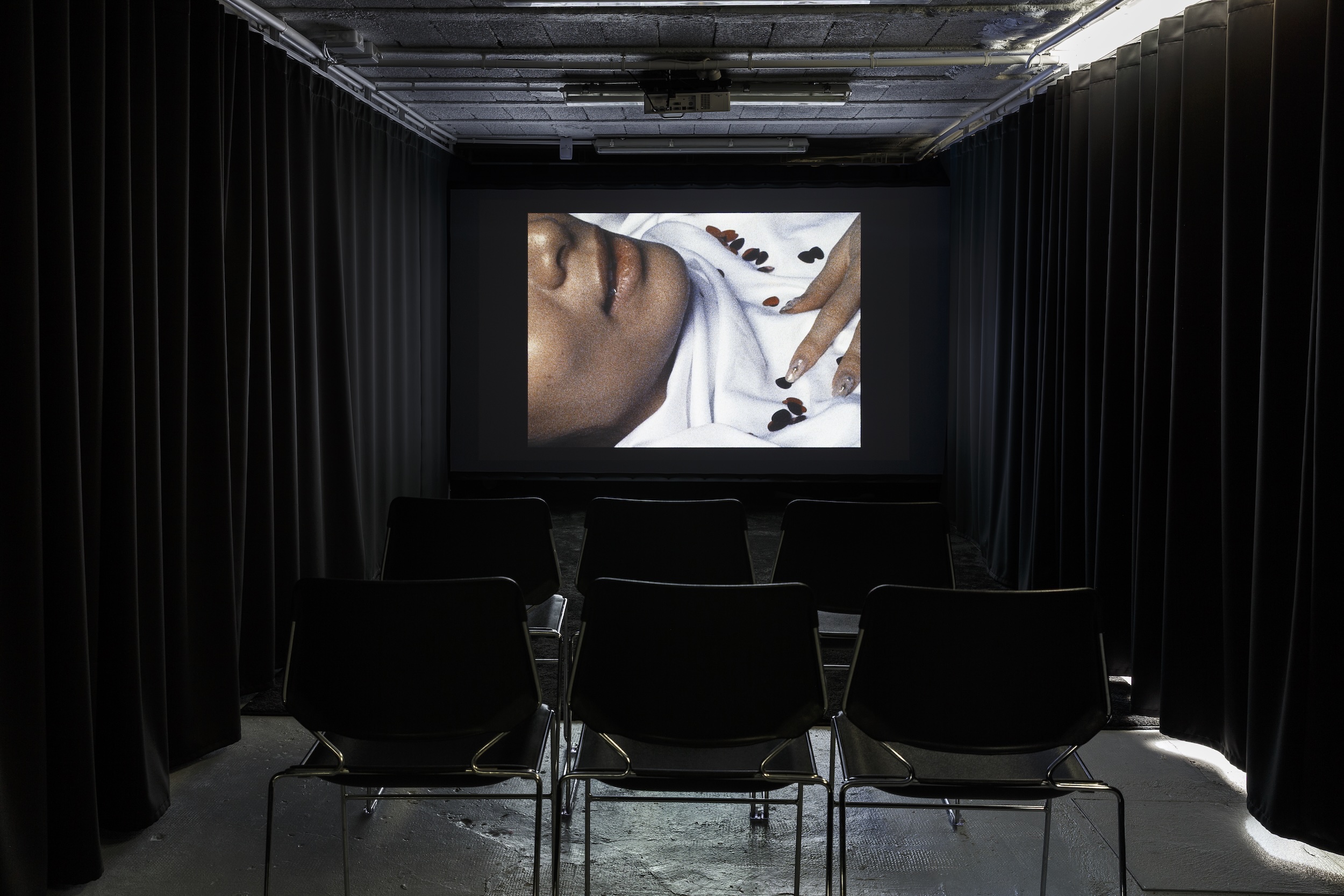
There is something you have that I want…
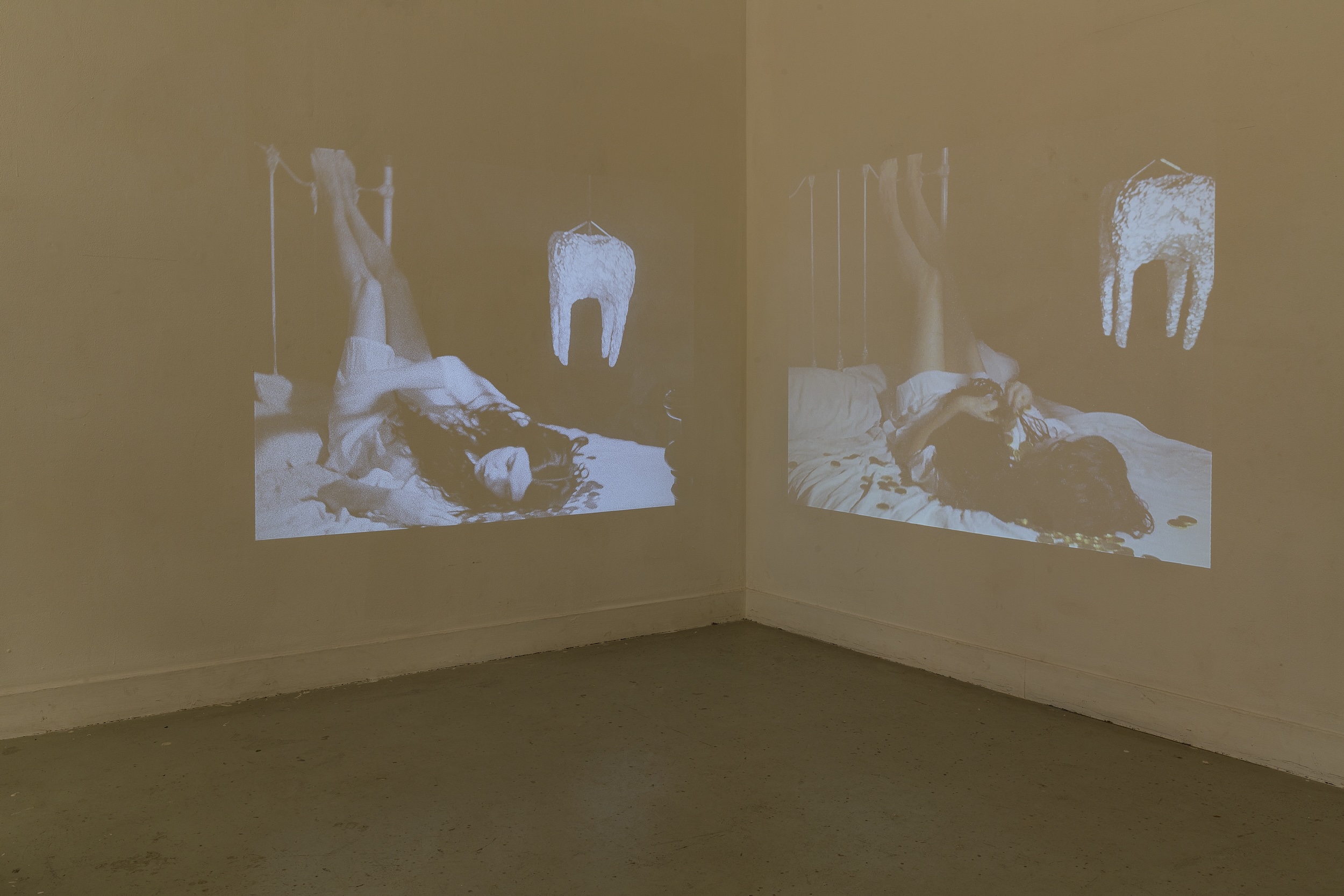
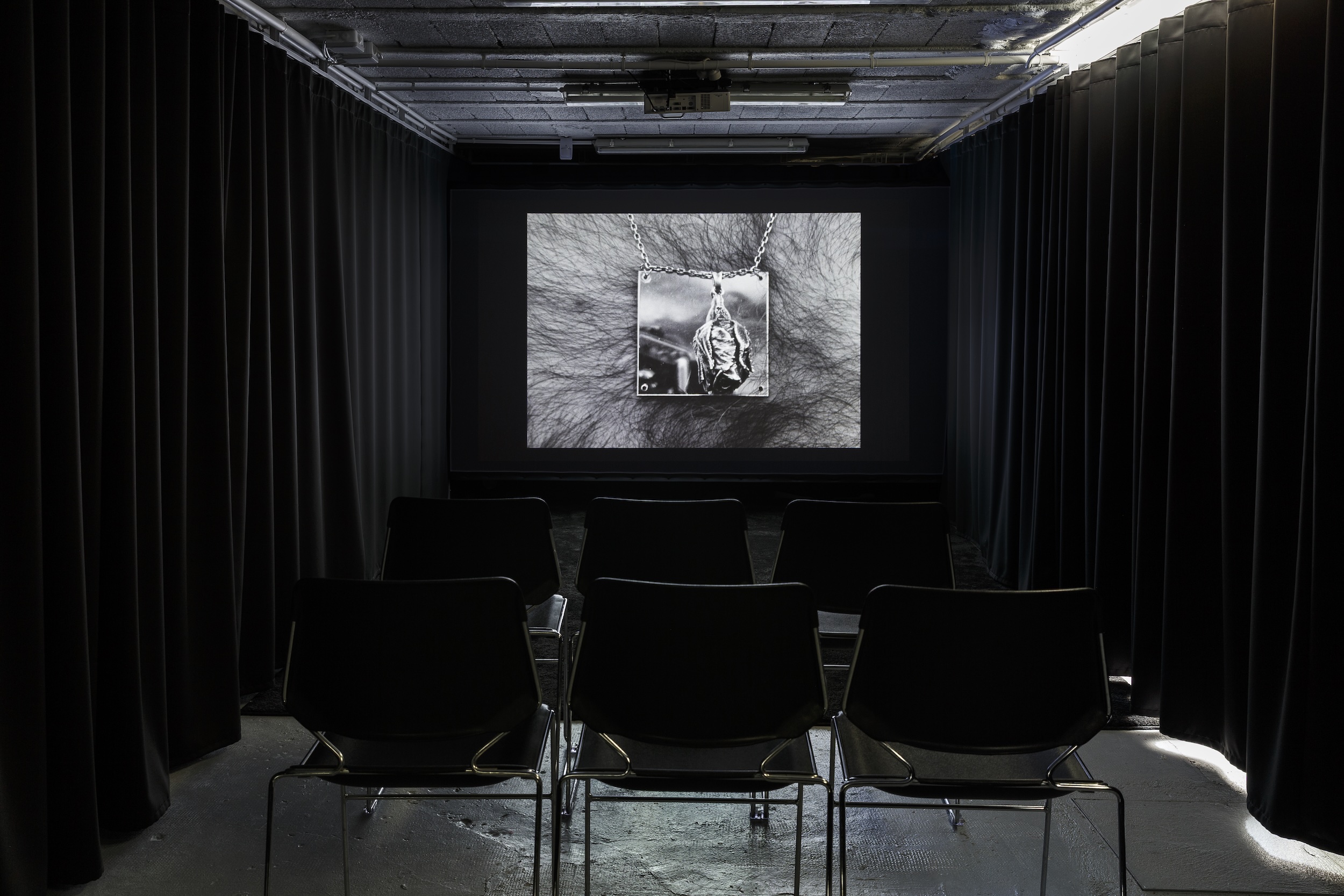
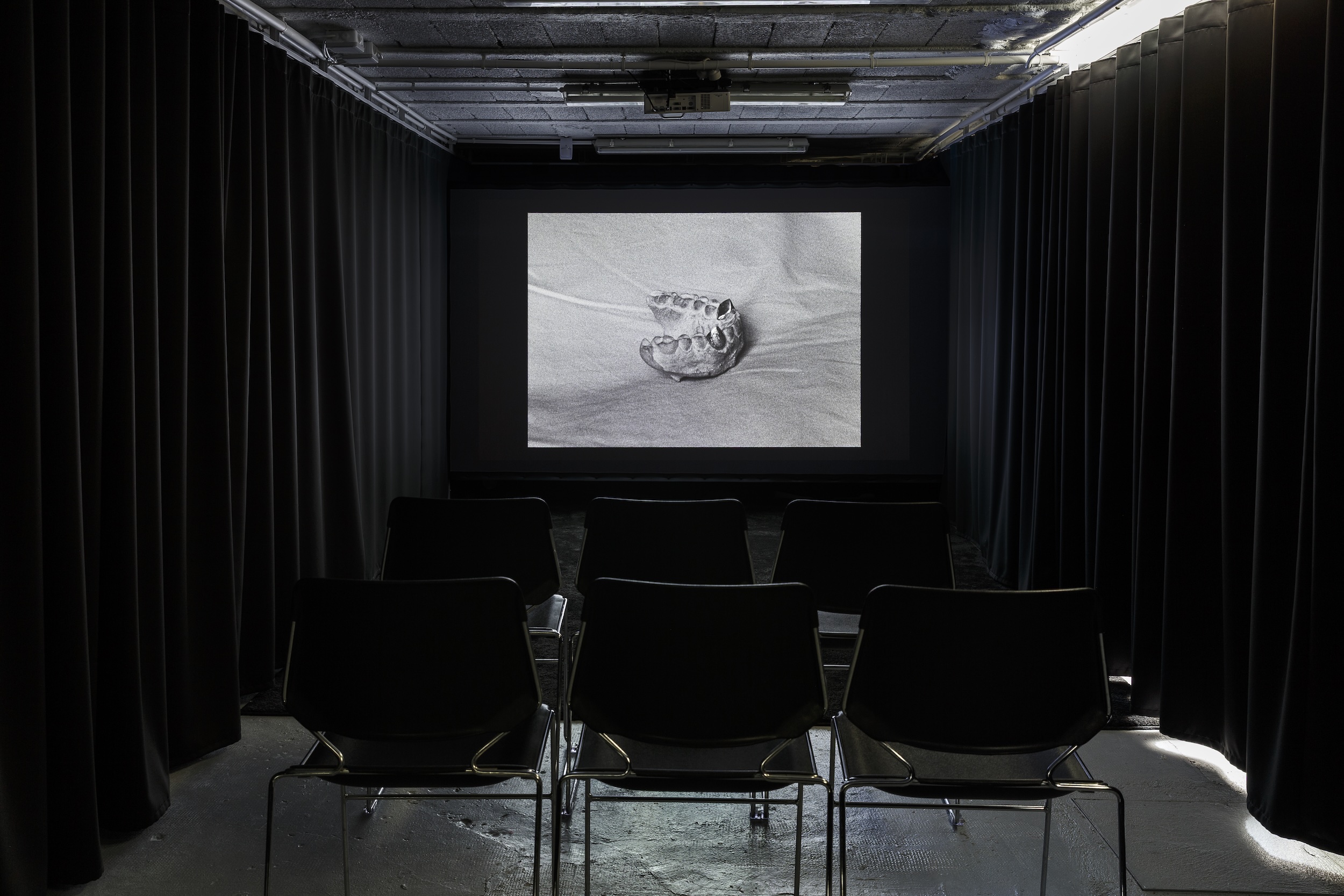
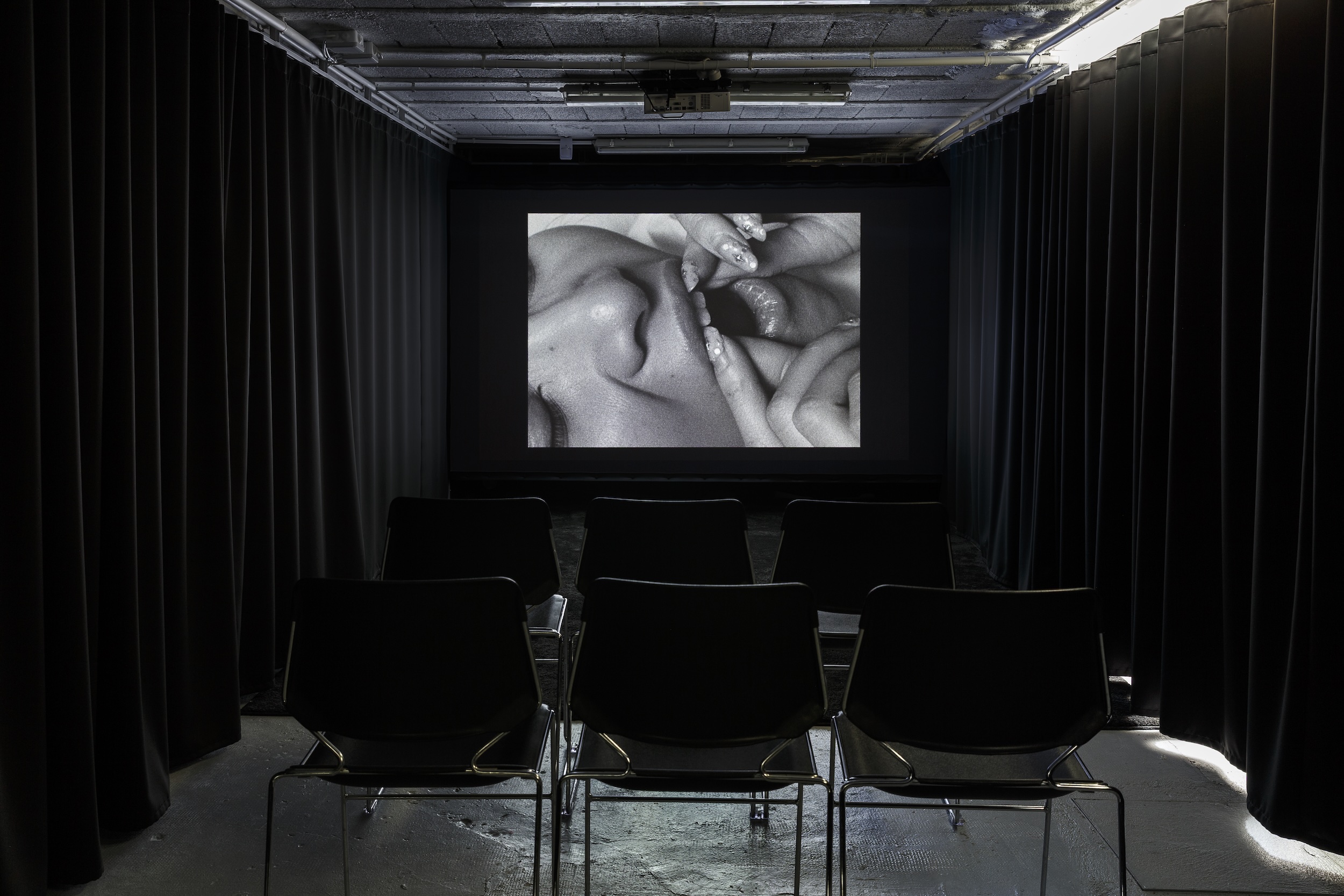
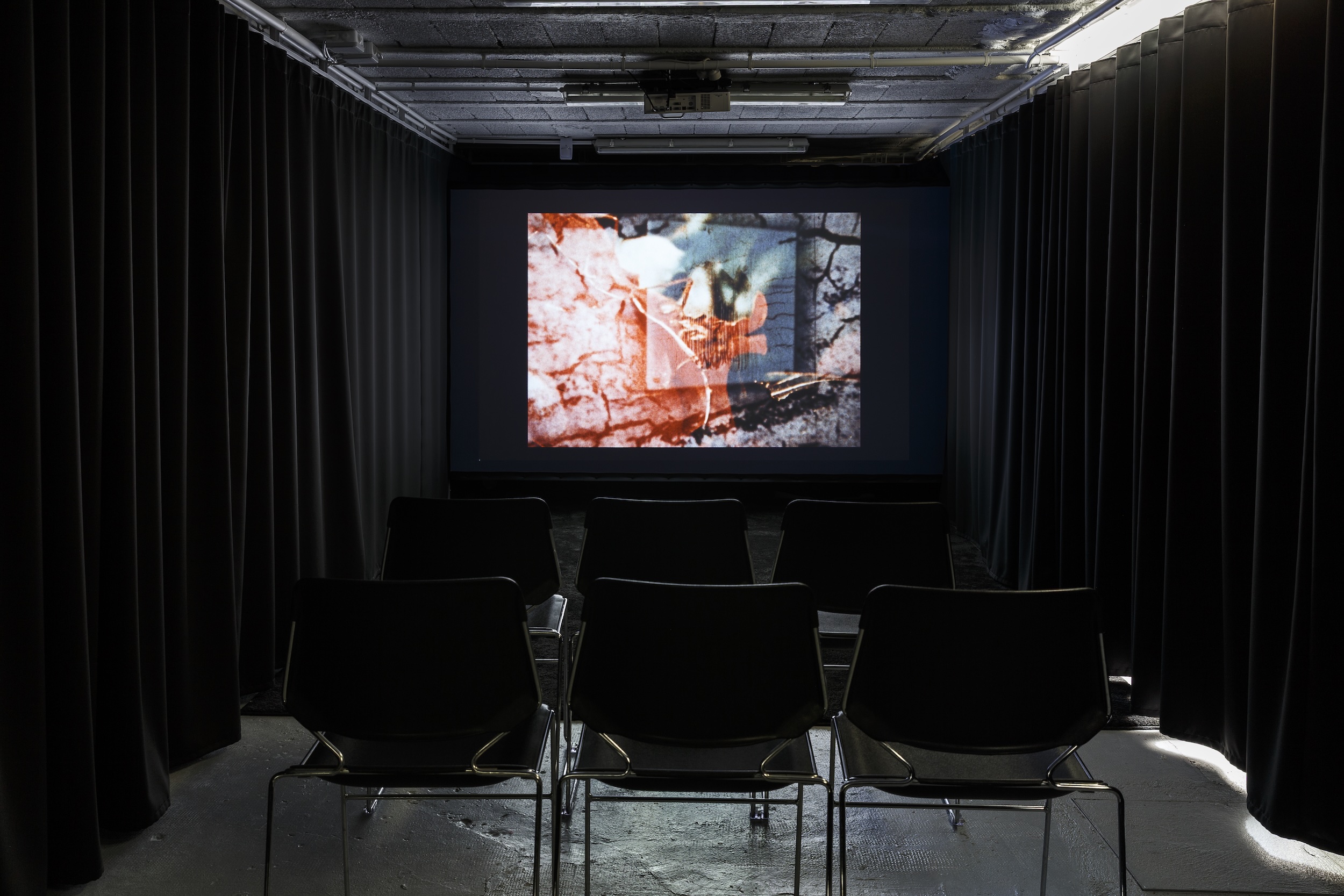
In the films of Rosa Joly, shot on 16 mm in bedrooms and hotels—sites of the most private exchange—the bulky camera itself appears greedy for closeness. Hardly optimized for the smooth operation of today’s film-making, the analogue device arrives on the scene as a commander of presence. Two hands are barely enough to move it around. Its recording time is limited, there is no monitor to oversee what passes through the lens, and a single strand of hair entering the camera gate can be the downfall of an entire roll. To this alchemy of inconvenience and unpredictability, only partly concealed between the stuttering of frames, Joly surrenders her most photogenic friends and sometimes herself. In exchange for what, one might ask. Vampire teeth and chocolate coins? For experiencing the combustive reaction between artist and machine, between artist and muse—more than occasionally an auto-erotic affair—or, perhaps, for obtaining proof.
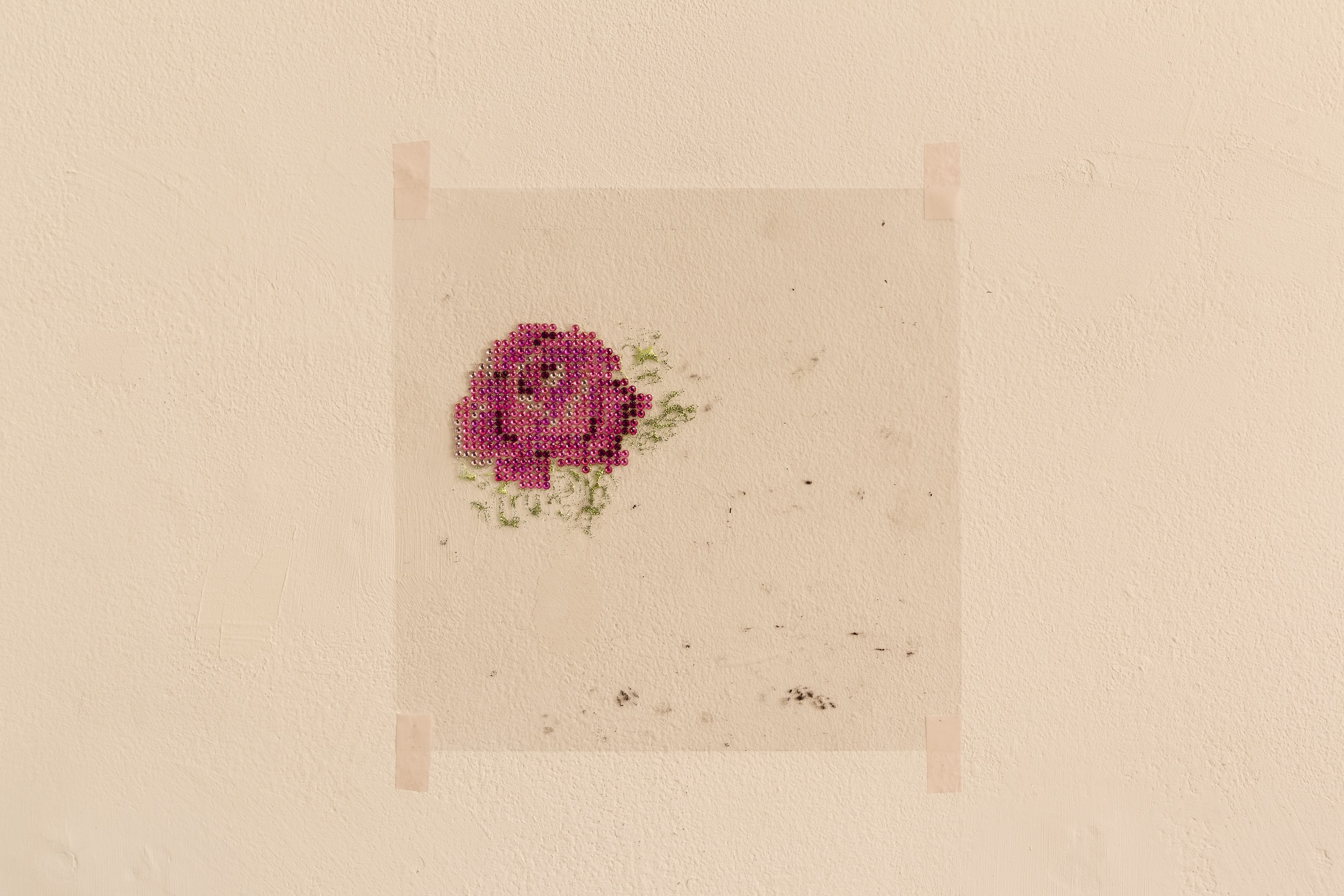
Long before DNA profiling, the mugshot served to identify repeat offenders. Photographs of crime scenes, objects, and physical traces were brought to the courtroom as evidence. From a forensic perspective, the animation of individual photographs could be considered the reanimation of a corpse; the cutting of film, which Joly undertakes strictly at the level of the negative, a form of autopsy. Her preoccupation with collage, often involving devotional materials such as votive paper, gift wrapping, and rhinestones, bears further testimony of a taste for mutilation and suturing. The subjects that she films loudly affirm the excisionist’s impulse: a large molar dangles from the ceiling above a bed; a decaying tooth, removed from the human at its root; a woman in prosthetic canines. Alongside photography, teeth, the most enduring part of the human body, have been essential for the identification of both victims and perpetrators. For the living, they are evidence of the most fatalistic circumstances: class, environment, chance—hard proof that no one is free to choose their heritage.
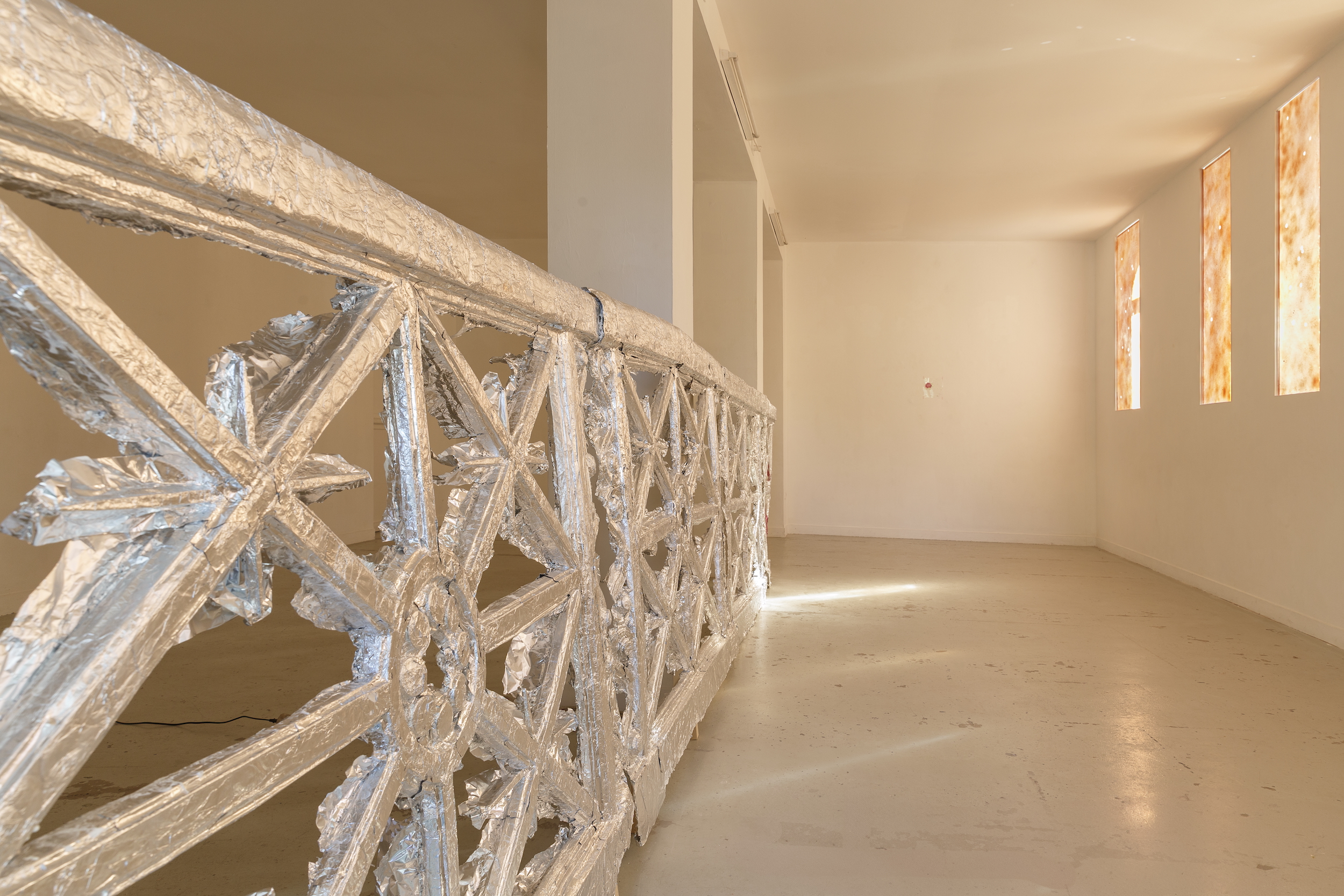
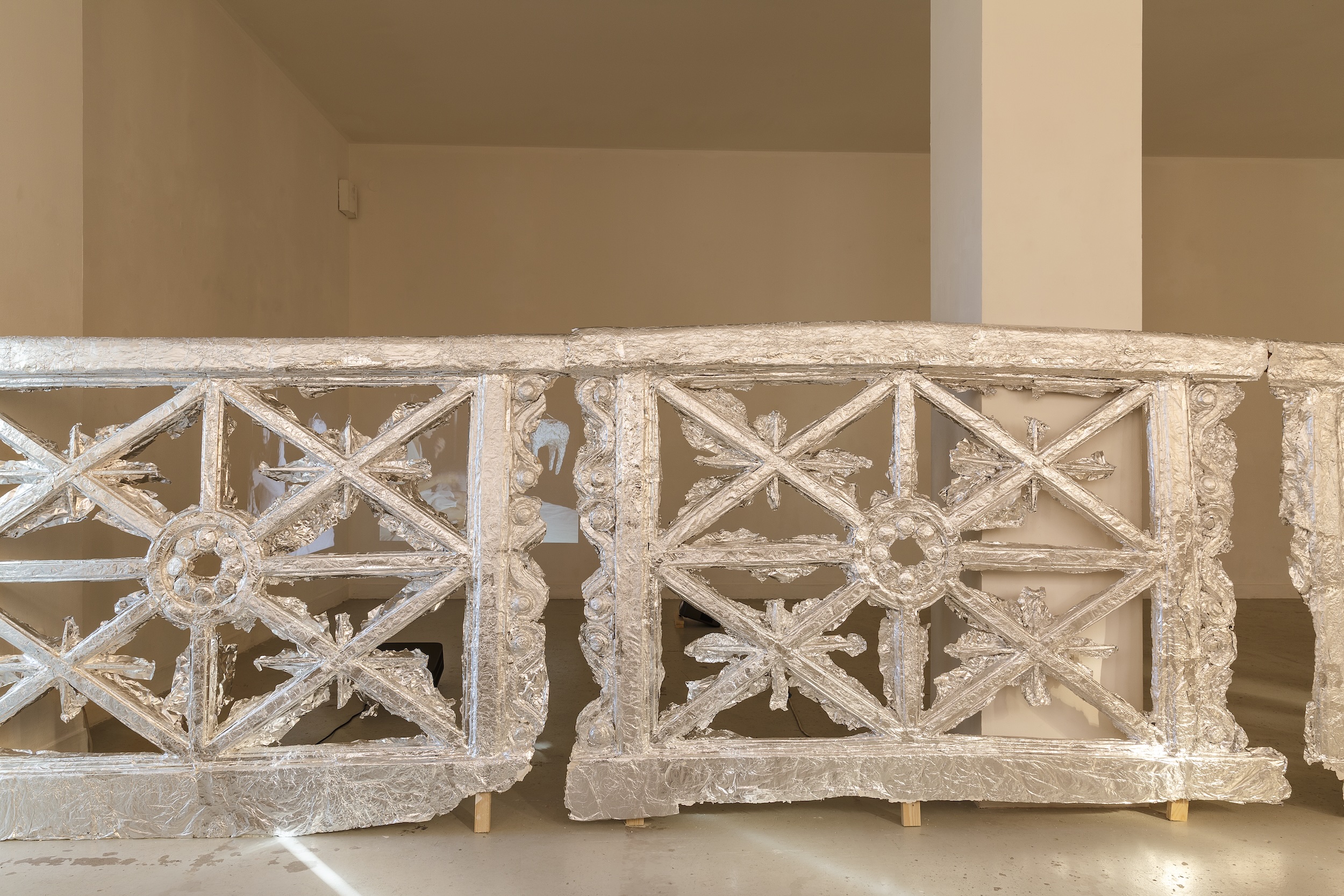
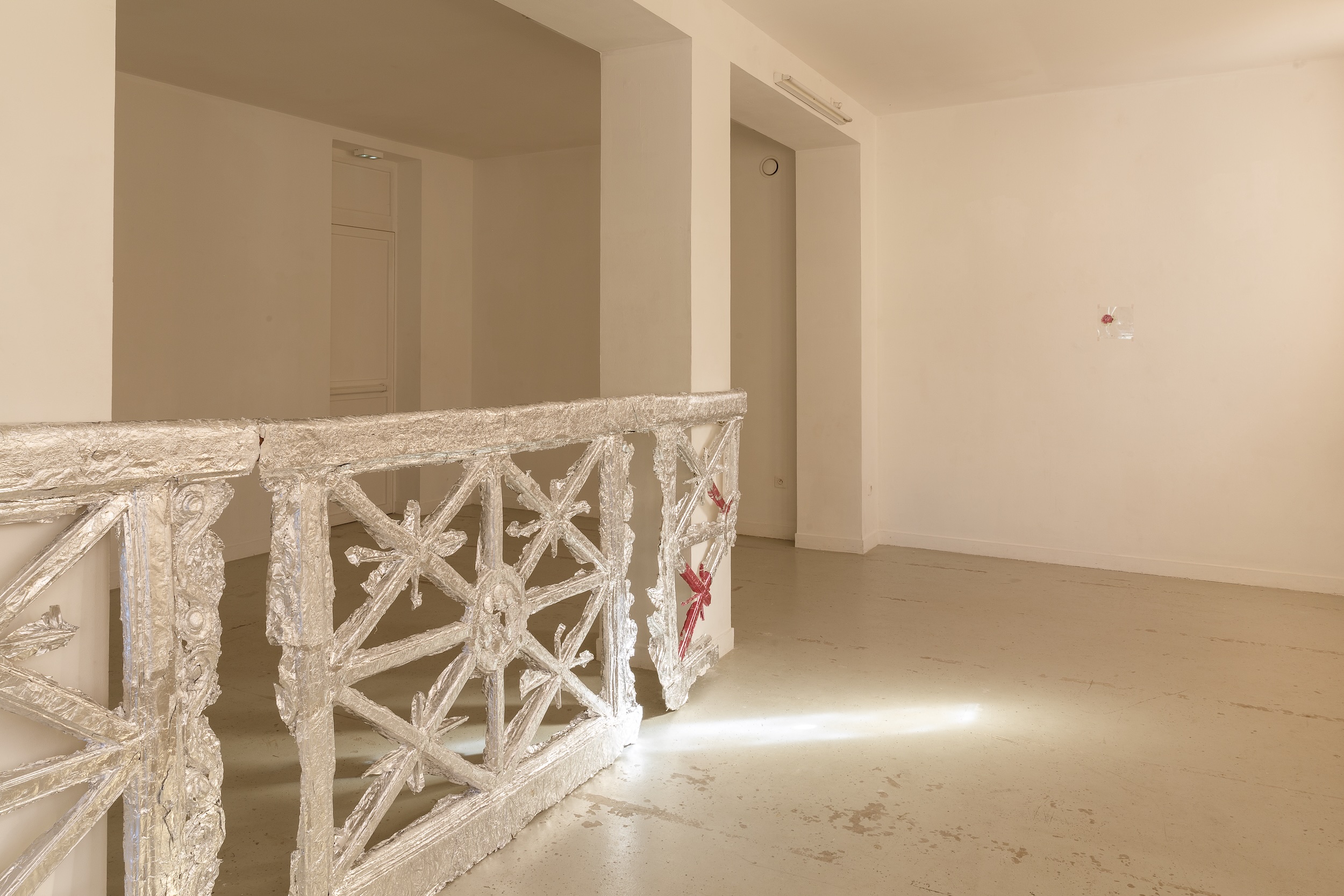
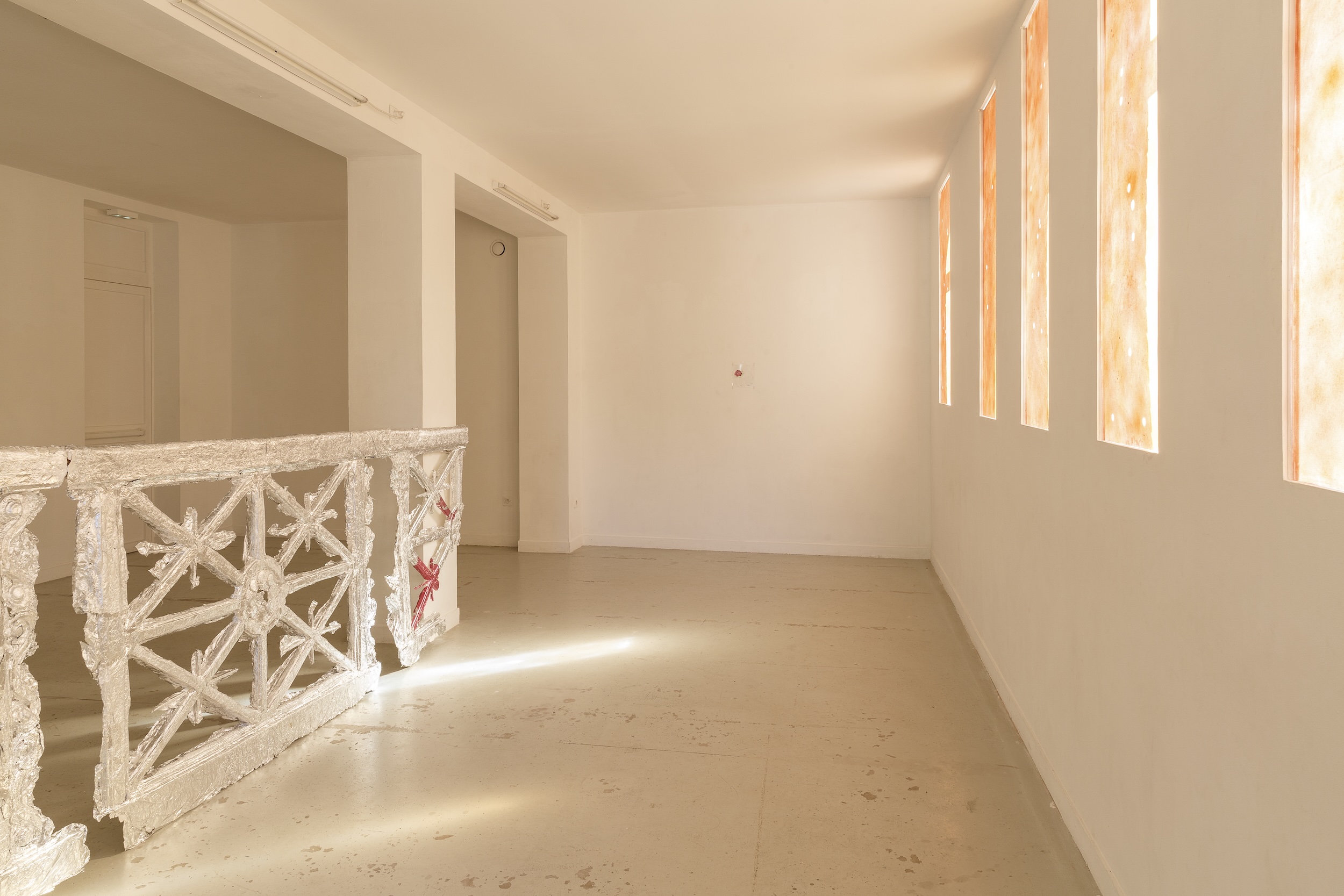
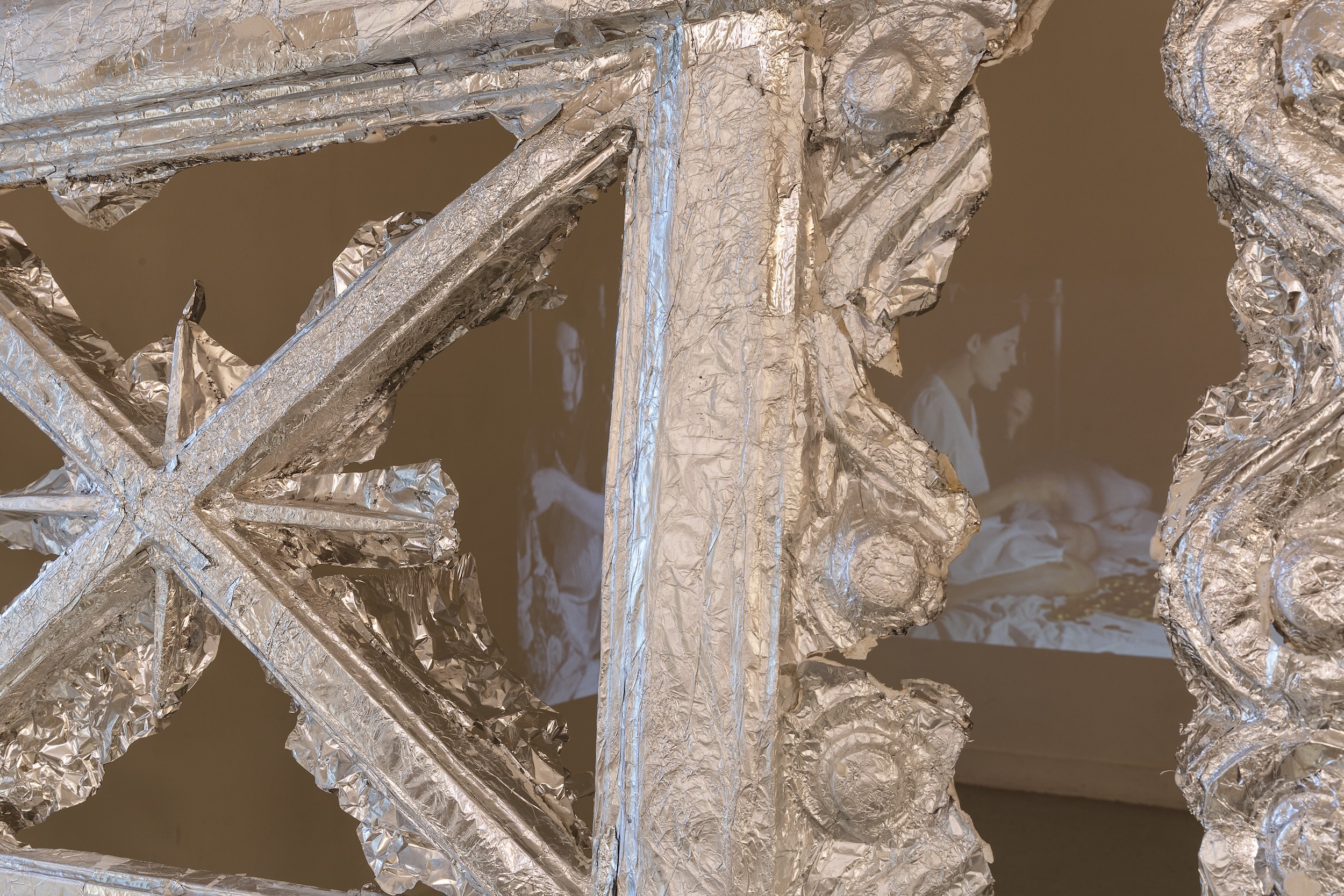
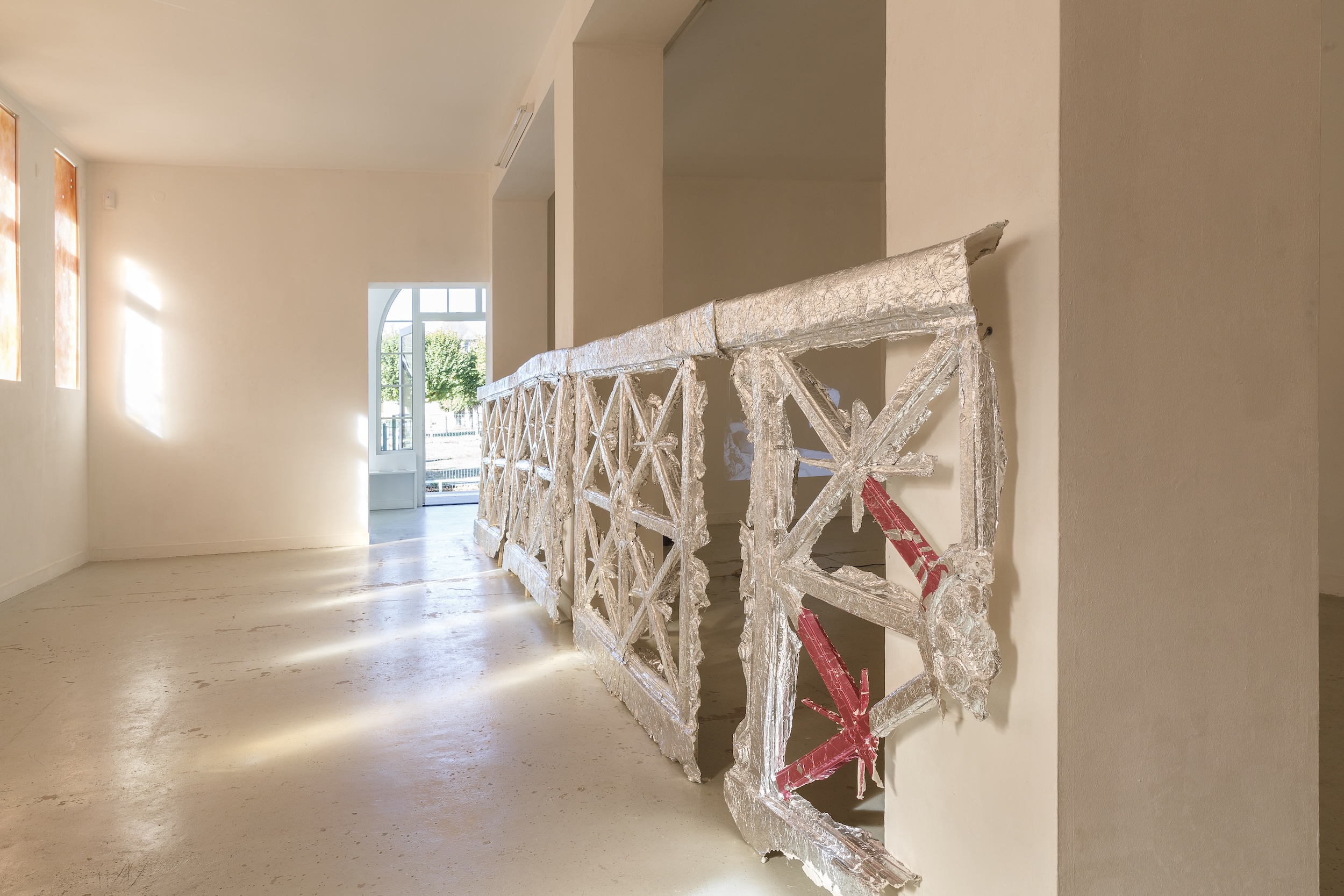
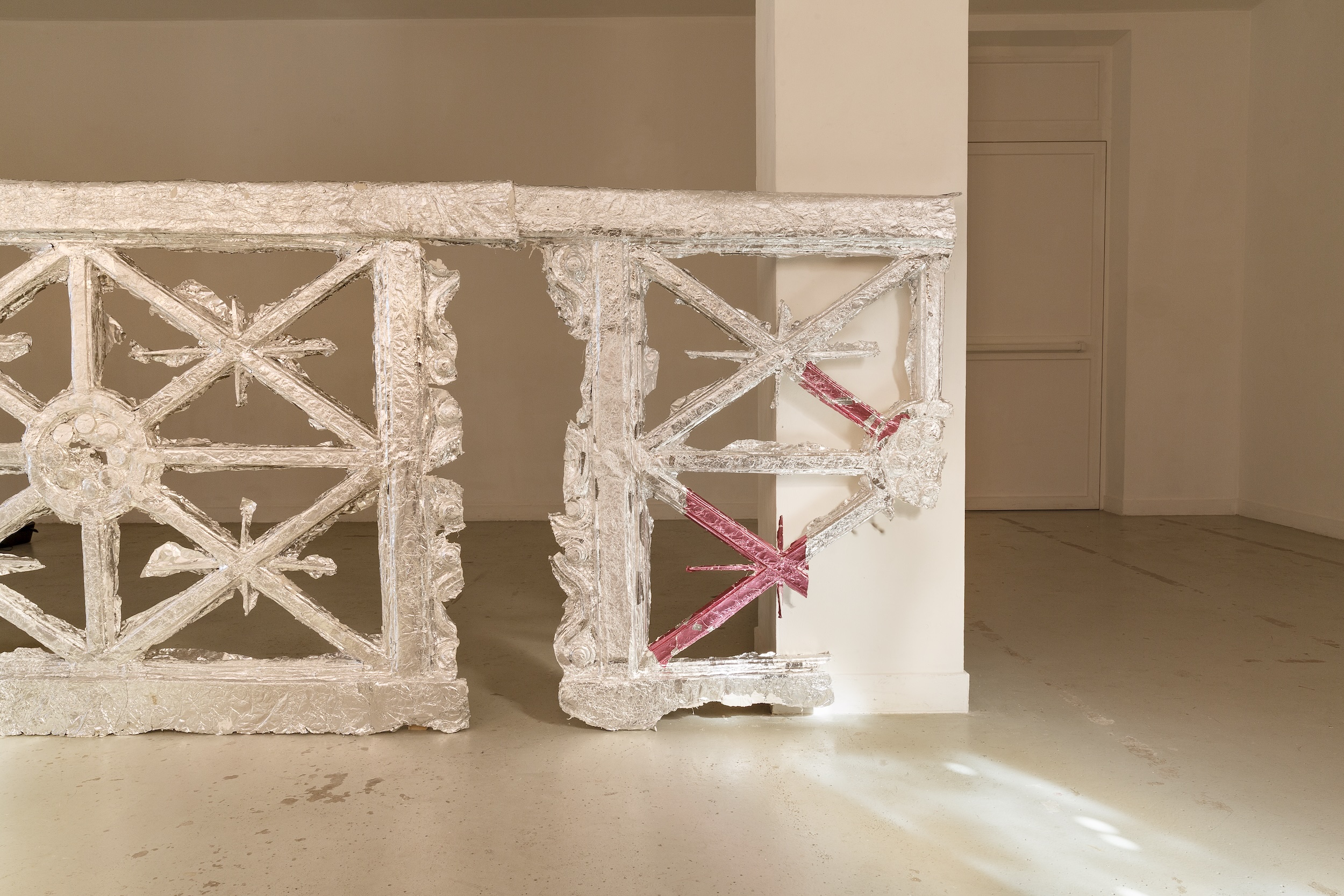
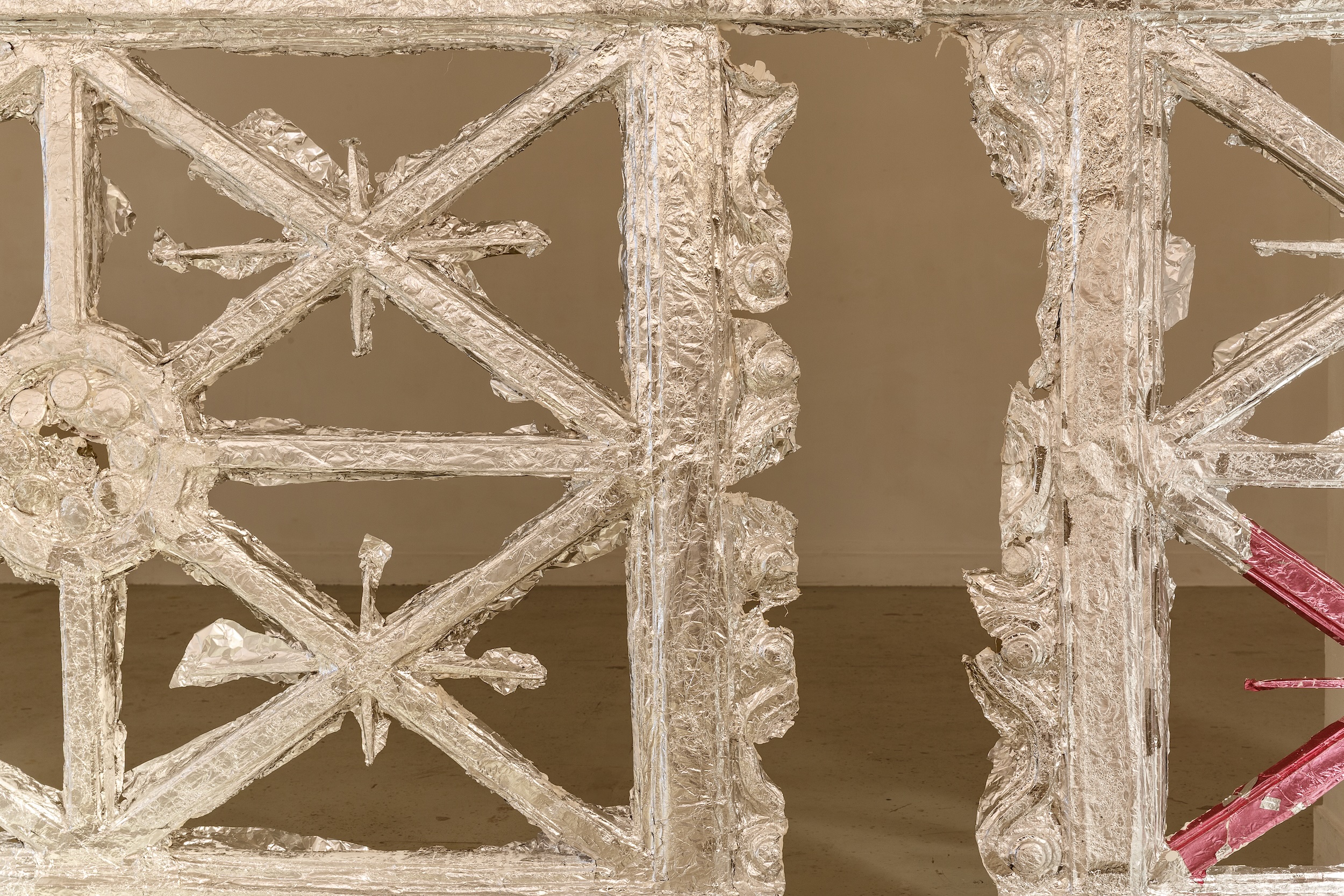
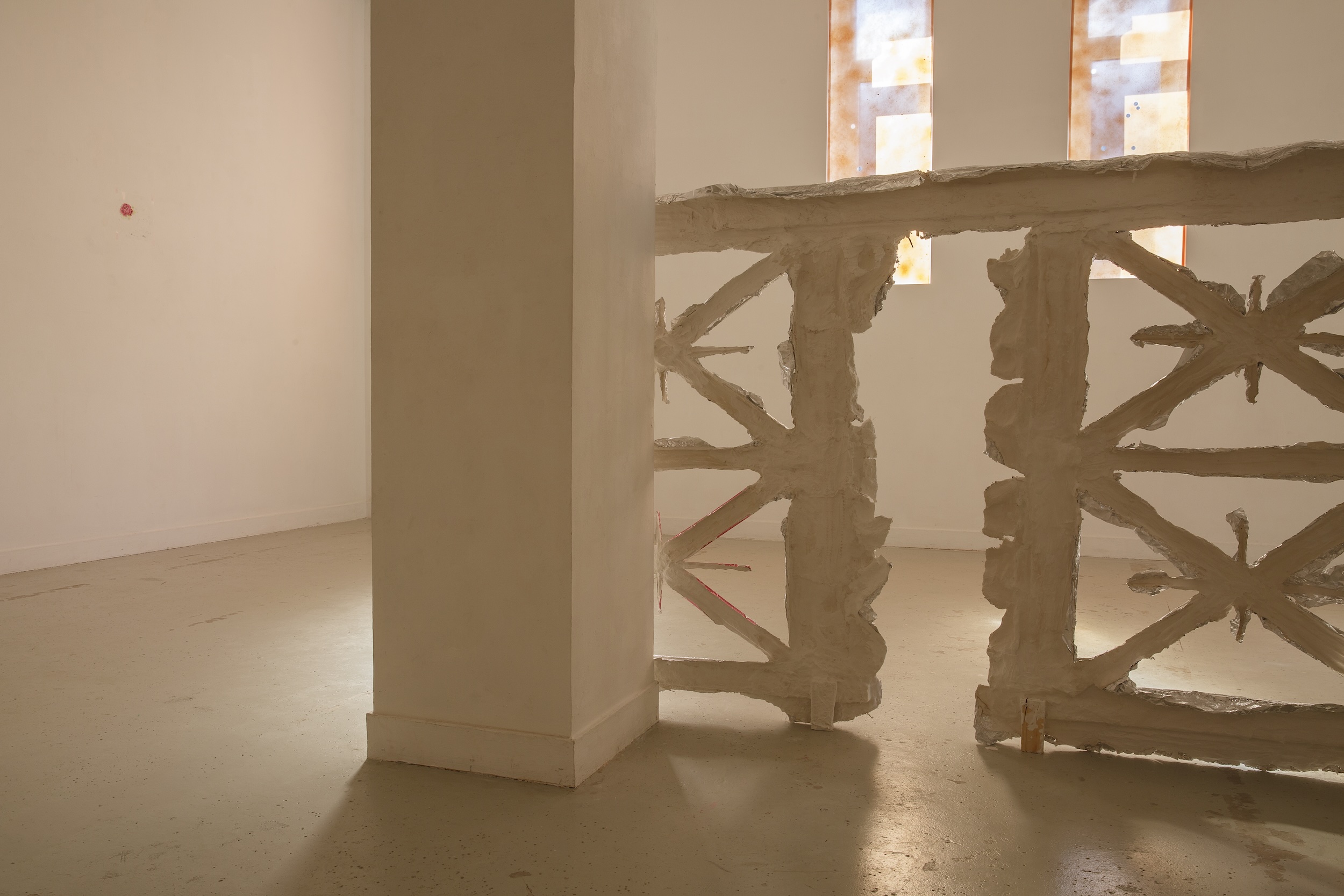
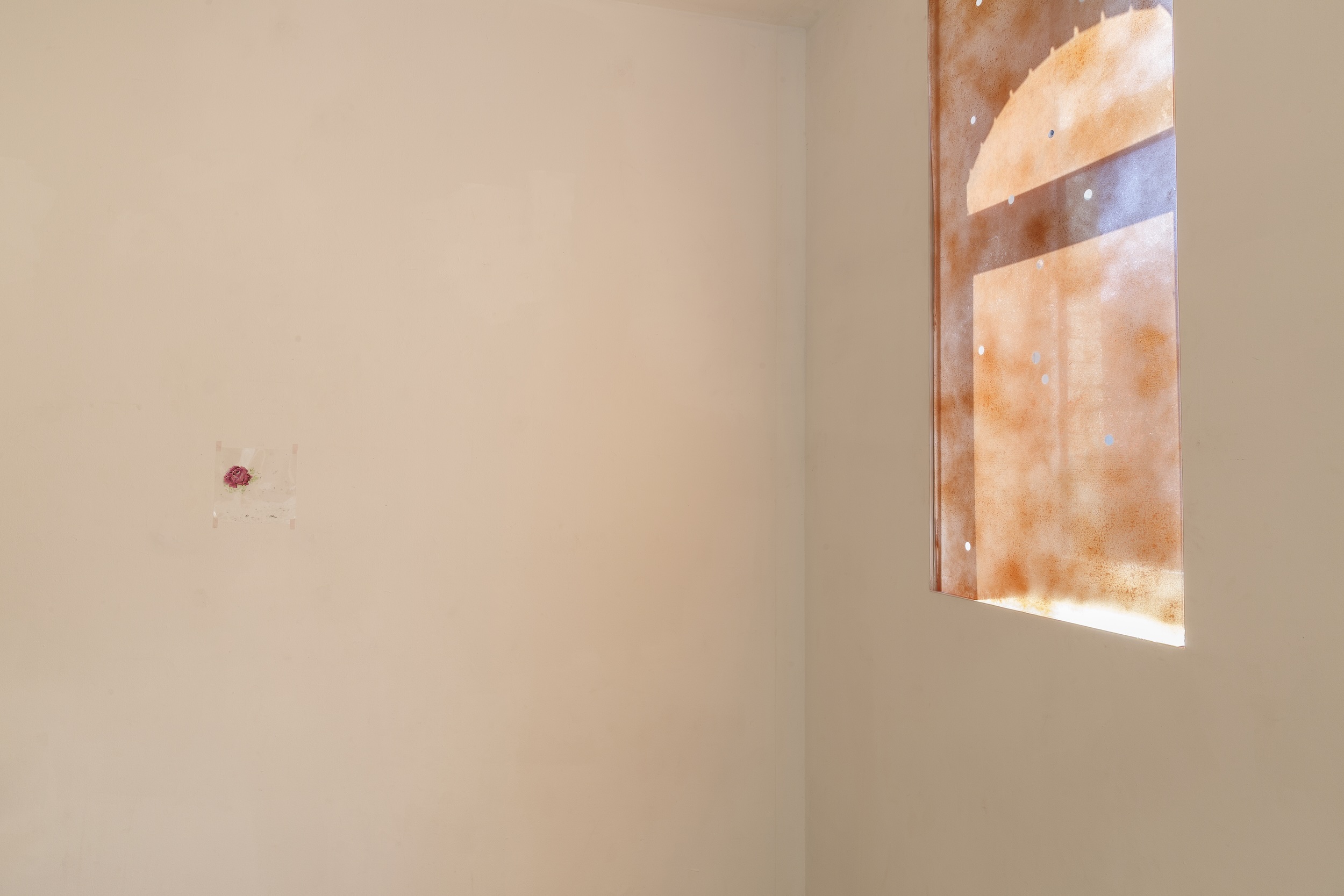
While the films of Rosa Joly are marked by a pursuit for the partial, her sculpture, Bridge (2026), appears as an ambitious attempt at stealing the whole. Bridge is made up of the positive prints of a cast iron railing from a bridge near Joly’s home, captured in sections, bit by bit, through the frottage of aluminium foil. Fortified with a plaster back, and reconstructed in order, the sequence of reliefs resembles a film strip. The railing’s ornamental design, edges ruffled by silver foil, brings to mind a piece of lace. In his 1978 essay, Positive/Negative: A Note on Degas’s Photographs, the American art historian Douglas Crimp proposes that lace, through its structure of threads and holes, is the perfect metaphor for photography. Curiously, he also mentions that the French word for lace is dentelle, a diminutive form of the word dent, which means tooth. When a tooth is lost, what remains is a gap: a negative between two positives.
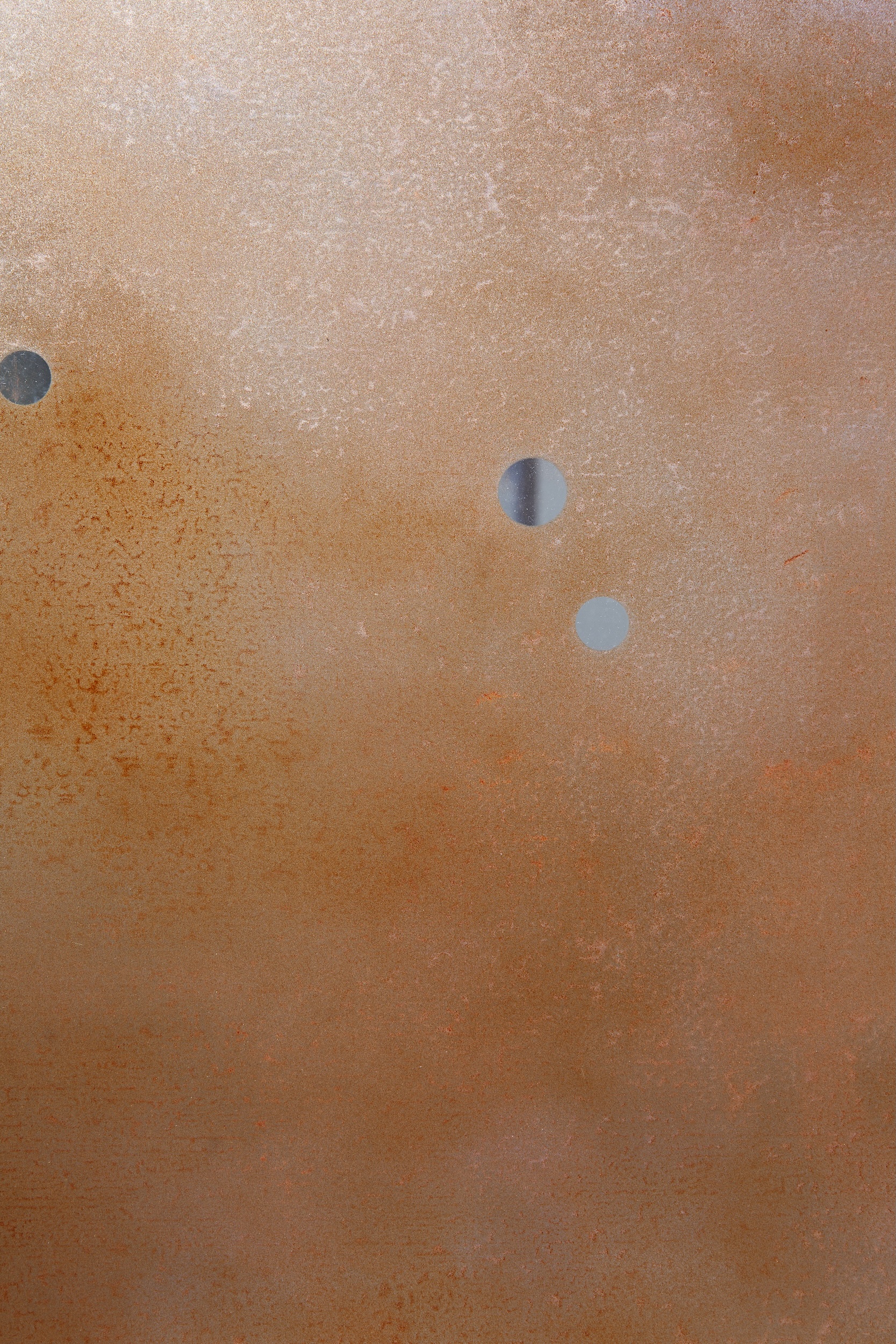
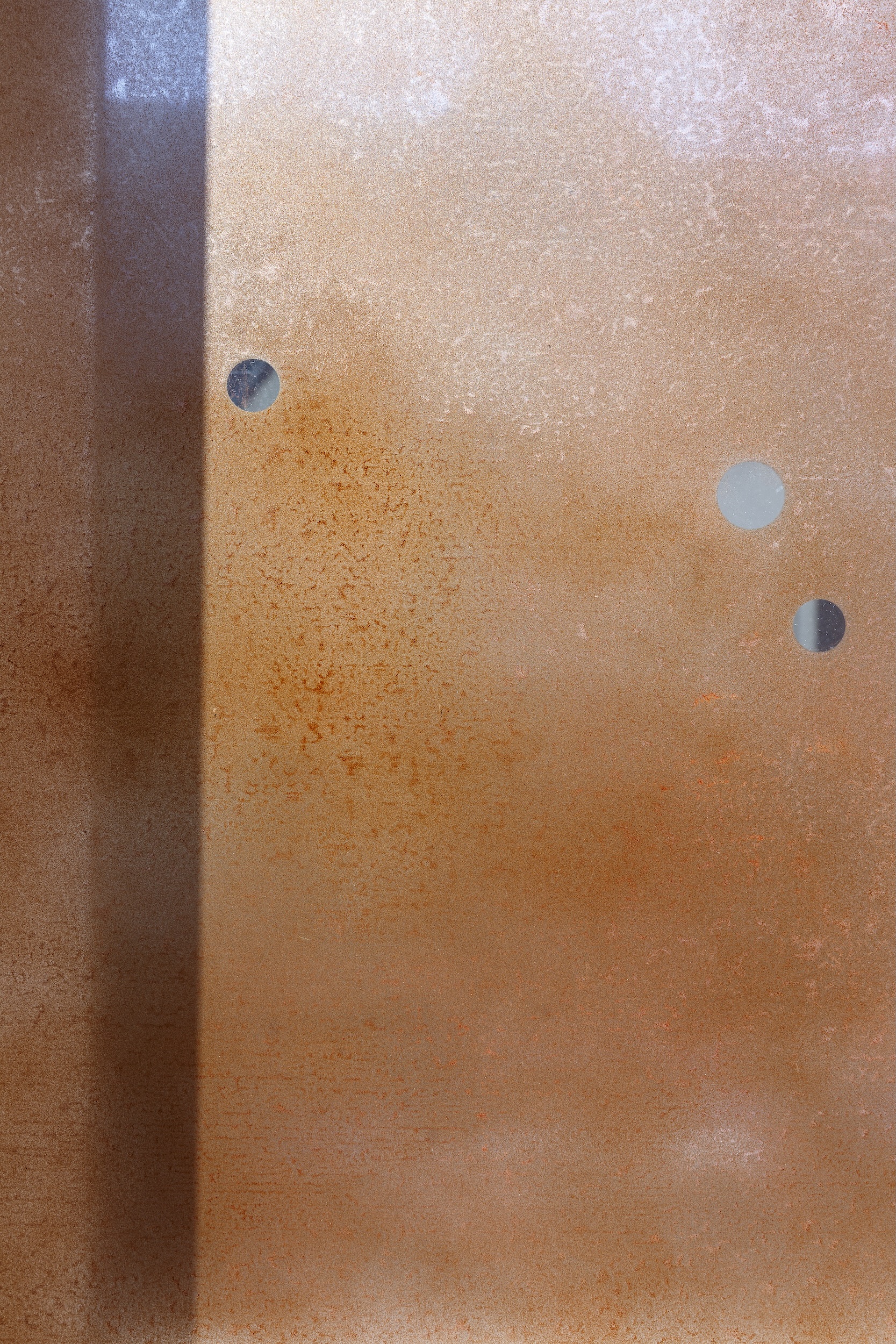
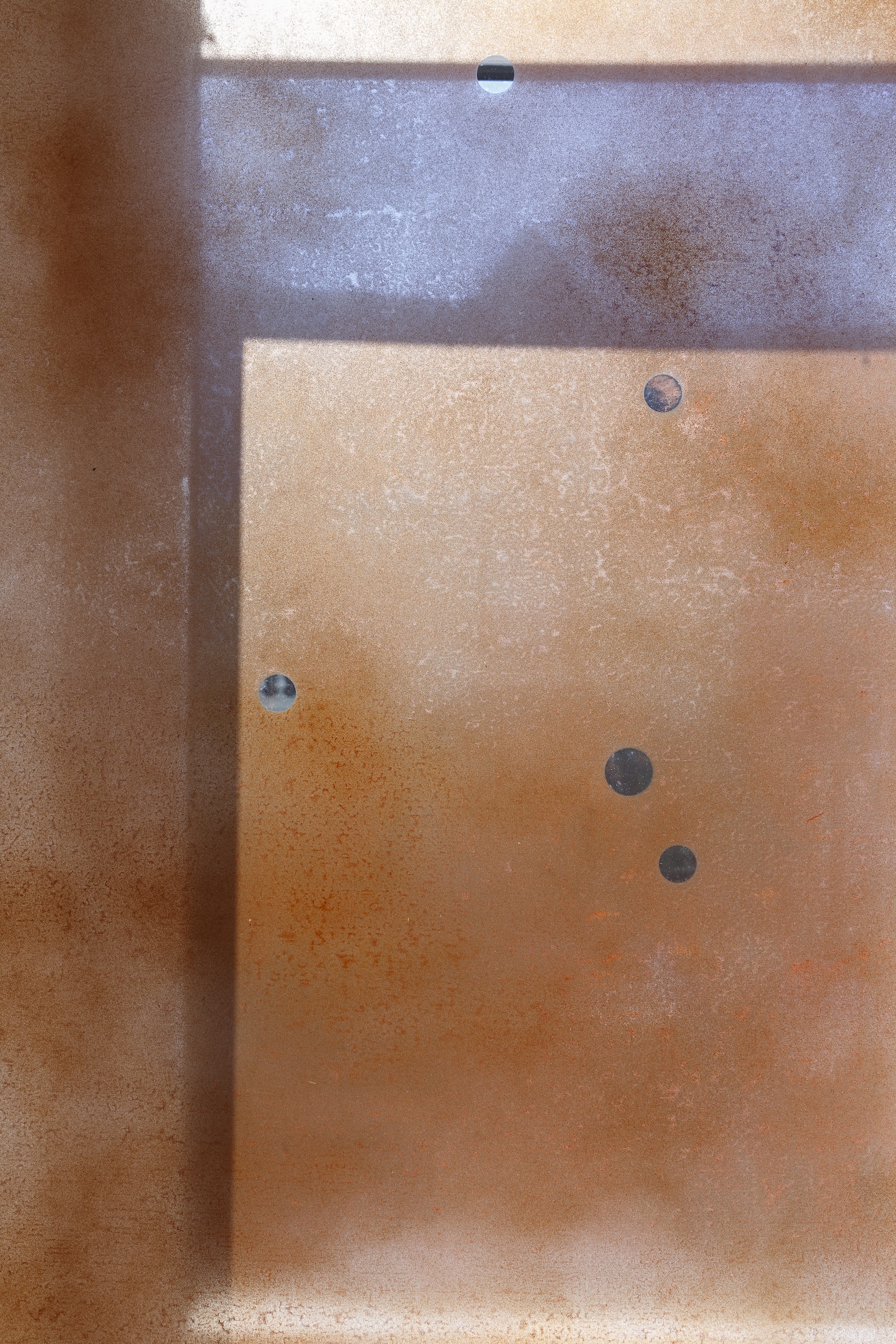
It might seem paradoxical that the medium of film, which is so concerned with capturing presence, on a material level, is inherently dependent on absence. Could film and its transgressions, then, be a means to capture the spectral oscillation between having and being that seems to characterize the restlessness of bodies, of minds? To have without being, is to be a thing. To be without having is to have no having, to desire, and—for the sake of argument, let’s omit the death drive—to feel alive. In this flickering movement, Rosa Joly films and makes film: even her collages and sculptures appear as if wrapped in celluloid. Traveling back and forth through perforated veils, nitrate mirrors, and illuminated dust, the camera becomes a stand-in for asking too directly for what one wants.
*
This exhibition was made possible with production support from the Fondation des Artistes.
Born in 1986, Rosa Joly lives and works between Berlin, Paris, and New York. She studied at the École des Beaux-Arts in Lyon before attending the Hochschule für bildende Künste Hamburg. Working across painting, installation, sculpture, writing, and film, her practice moves fluidly between disciplines.
Her work has been exhibited, among other venues, at la Fondation Pernod Ricard, la MEP (Paris), The Film Gallery (Paris), Kunstverein Bielefeld, Scheusal (Berlin), MOM Artspace (Hamburg), the Falckenberg Collection (Harburg), Kunsthaus Hamburg, DOC! (Paris), and La Traverse (Marseille). She also took part in the Triangle-Astérides residency programme in Marseille in 2021. The same year, she co-founded Scheusal, an artist-run exhibition space in Berlin.